
Rise above. Go beyond.
Inspired by alpine landscapes, this collection combines technical comfort, clean design, and timeless strength.
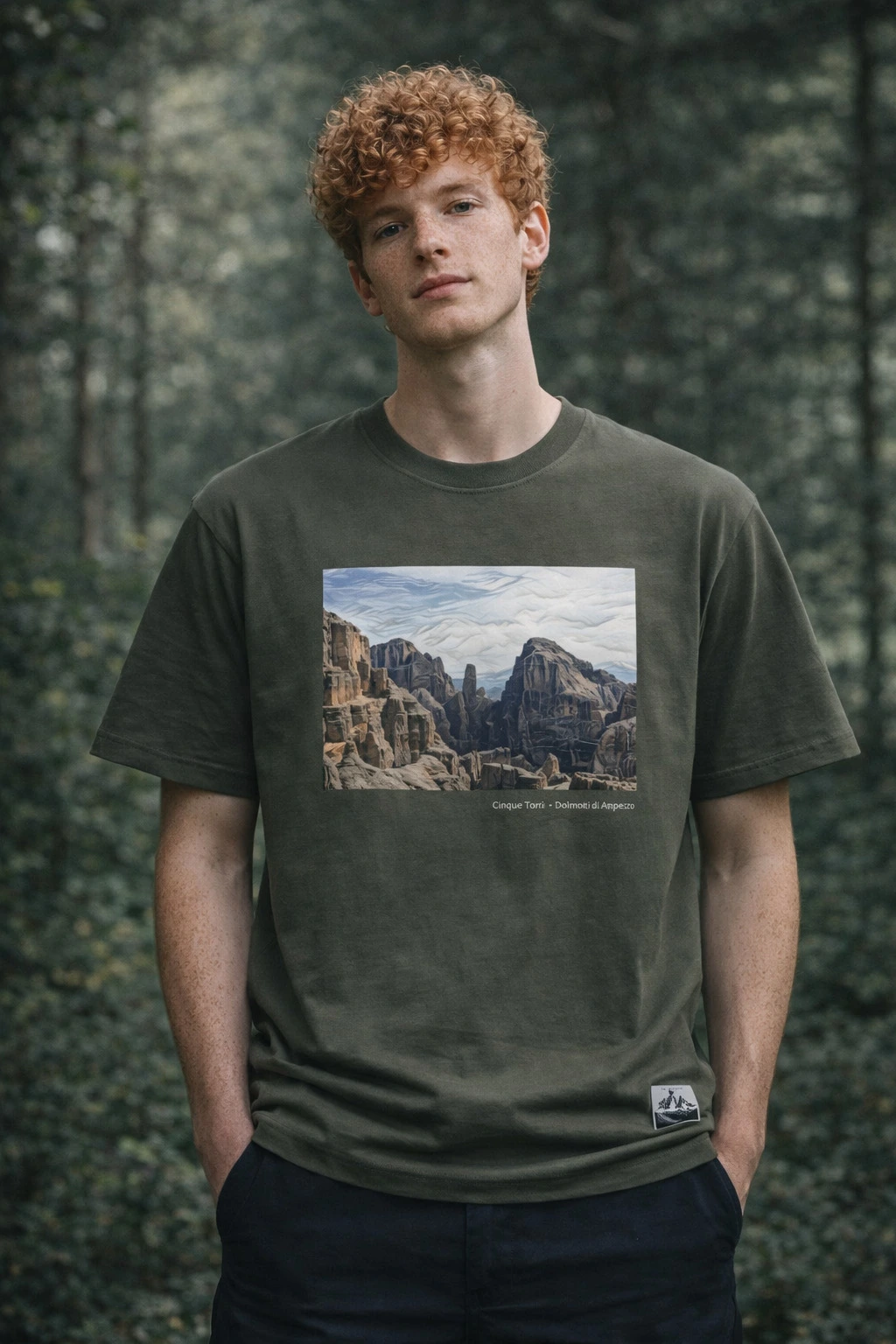
Brenta Dolomites
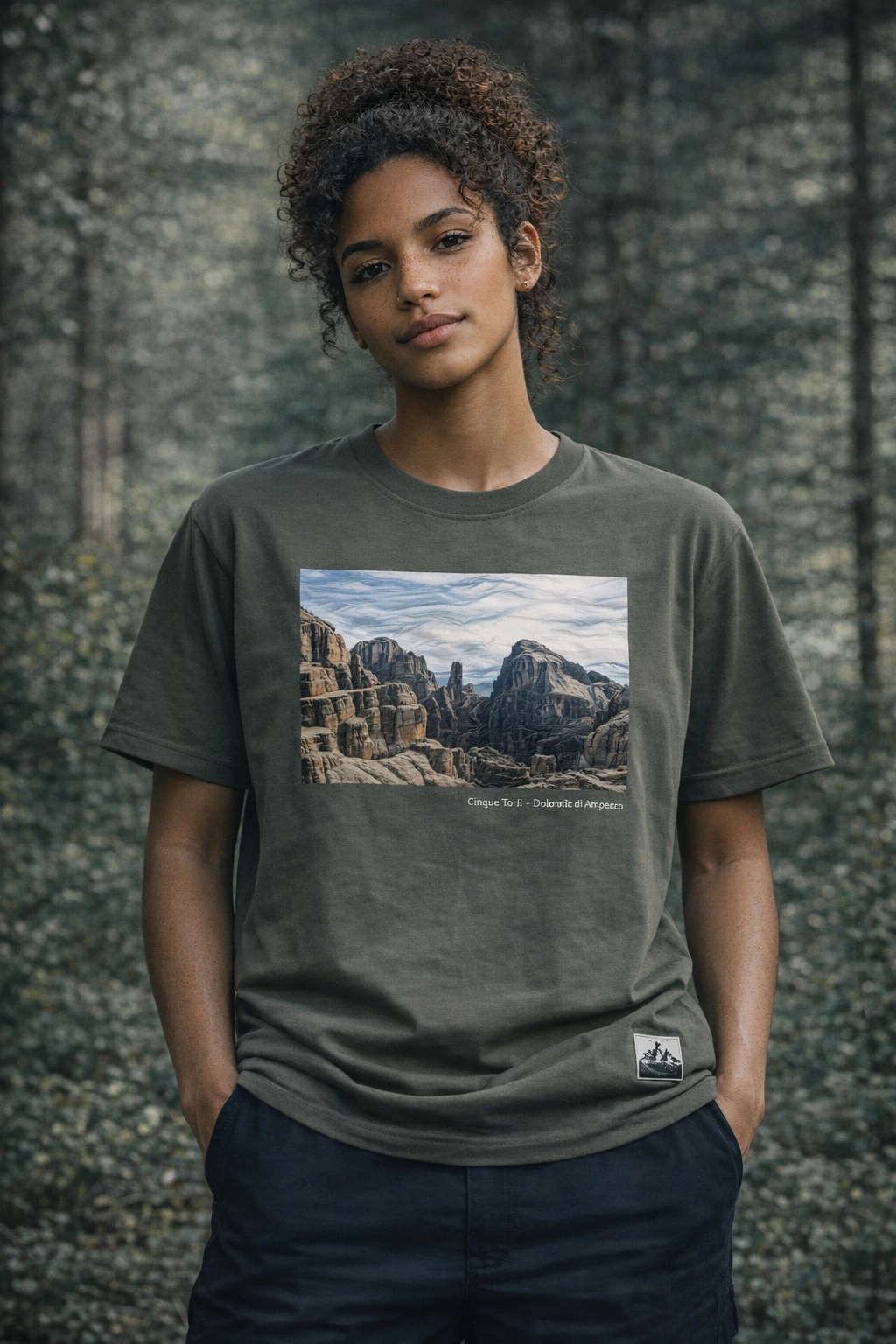
Brenta dolomites
Mountains Line
Campanil Basso
The Brenta mountains group
Campanil Basso is one of the most iconic and renowned peaks of the Brenta Group, located in the Brenta Dolomites—one of the mountain ranges within the Eastern Alps. This massif is celebrated for its dramatic beauty and sheer rock walls, attracting mountaineers and climbers from around the world.
Location and Overview
Campanil Basso rises in the western sector of the Brenta Group, in the province of Trento, within the Trentino–Alto Adige region of northern Italy. The summit reaches an altitude of 2,361 meters (7,746 ft) and is famous for its striking shape resembling a tower or bell tower—hence its name.
Its strategic position offers breathtaking views across Val Rendena and the surrounding peaks of the Brenta Dolomites, making it both a visual landmark and a symbol of alpine grandeur.
Geological and Landscape Features
The Brenta Dolomites are among the most imposing and visually spectacular rock formations in the Alps. Campanil Basso, like many nearby peaks, is composed primarily of dolomitic limestone, which gives the mountain its pale, almost luminous appearance. Colors range from soft gray to delicate pink, especially at sunset when sunlight ignites the rock faces with remarkable hues.
The summit is defined by a powerful vertical rock tower rising dramatically above the valley. The east and south faces are particularly steep and vertical, while the northern side appears more jagged and rugged, emphasizing the mountain’s sculptural character.
Mountaineering and Climbing
Campanil Basso is a highly sought-after destination for experienced climbers, particularly because of its legendary south face, known for classic and technically demanding routes.
The first ascents date back to the early twentieth century, and since then the peak has become a prestigious objective for those pursuing challenging alpine climbs. The standard route involves a sequence of technical pitches requiring solid mountaineering skills and careful preparation.
Another element that enhances the mountain’s allure is its challenging approach. Climbers typically access Campanil Basso from Rifugio Tuckett or Rifugio Alimonta, both common starting points for excursions within the Brenta region.
The Panorama
From the summit, climbers are rewarded with sweeping views across the Brenta Group and beyond.
• East: Peaks such as Vioz and Cima Presanella dominate the skyline.
• South: The landscape opens toward Val Rendena, one of Trentino’s most celebrated valleys.
• West: The view stretches across the rugged Dolomite valleys, and on exceptionally clear days, even Lake Garda can be seen in the distance.
Flora and Fauna
Despite its high-alpine character, the area surrounding Campanil Basso supports diverse plant and animal life. Alpine meadows and trails host mountain flowers such as edelweiss, alpine anemones, and daffodils.
Wildlife is equally rich, with species including ibex, chamois, and golden eagles inhabiting the rocky slopes and remote terrain.
Accessibility and Hiking
While famed among mountaineers, Campanil Basso also appeals to hikers seeking immersion in a wild yet accessible alpine environment. From nearby mountain huts—including Rifugio Tuckett and Rifugio Alimonta—numerous trails allow visitors to explore the region, offering unforgettable scenery and an authentic Dolomite experience.
Summary
ampanil Basso stands as an extraordinary peak of the Brenta Dolomites, renowned for its commanding presence and its historical and technical importance in the world of mountaineering. Those in search of alpine challenge, unique landscapes, and pristine nature will find in this mountain one of the most evocative destinations in the Alps.
Mountains Line
Puez-Odle mountains group
Introduction
The Puez-Odle Group (known in German as Puez-Geisler) is one of the most captivating and iconic mountain ranges of the Dolomites, recognized as a UNESCO World Heritage Site in 2009. Located in the Gardena Dolomites of Trentino–Alto Adige, between Val Gardena and Val di Funes, this massif is celebrated for its extraordinary landscapes, dramatic rock formations, sheer cliffs, and imposing peaks. It is also a favorite destination for hikers, mountaineers, and photographers drawn to the raw and untouched beauty of its natural environment.
Geological Features
The Puez-Odle Group is renowned for its distinctive geology. The mountains are composed primarily of dolomite, a limestone rock that gives the peaks a pale coloration ranging from gray to white, often blushing pink at sunset and creating spectacular light effects.
Both the Puez and Odle formations consist of layered and folded rock that has been sculpted by millions of years of erosion, resulting in sharp pinnacles, vertical walls, and panoramic terraces.
The name Puez-Odle derives from two main subgroups:
• Puez: The western section of the range, featuring smoother and more rounded peaks, including Mount Puez (2,559 m).
• Odle (Geisler): The eastern subgroup, distinguished by dramatic rock towers and spires, such as the peaks of the Odle di Funes (2,500–2,900 m).
The towering vertical faces of the Odle are among the most striking in the Dolomites, admired for their powerful and theatrical beauty.
Geography and Views
The Puez-Odle Group forms a natural divide between two of the Dolomites’ most famous valleys: Val Gardena to the west and Val di Funes to the east. At their base lies a landscape of alpine meadows, conifer forests, and pastures that burst into color during summer with wildflowers such as edelweiss and daffodils.
The views from the peaks and trails are breathtaking.
• South: Overlooks Val di Funes, known for the distinctive bell towers of St. Johann.
• North: Reveals the peaks of the Sexten Dolomites and other major summits of the eastern Dolomites.
On exceptionally clear days, visibility stretches as far as the Lienz Alps, the Sexten Dolomites, Presanella, and even Lake Garda in the distance. The shifting light across the rock faces—especially at dawn and dusk—creates an unforgettable alpine panorama.
Flora and Fauna
Like much of the Dolomites, the Puez-Odle region hosts rich alpine biodiversity that varies with altitude.
• Lower elevations: Dense forests of fir and larch.
• Mid-altitudes: Alpine pastures filled with gentians, alpine chamomile, and anemones.
• Above 2,500 meters: High-altitude grasslands and exposed rock dominate the terrain.
Wildlife is equally remarkable. Species commonly found here include ibex, chamois, mouflon, and roe deer, along with numerous bird species such as golden eagles, alpine choughs, and jays. During winter, wolves and deer occasionally descend from surrounding valleys.
Activities
The Puez-Odle Group is an ideal destination for outdoor enthusiasts and nature lovers. Popular activities include:
• Hiking: The Puez-Odle Nature Park offers an extensive network of trails ranging from easy walks to demanding excursions. One of the most popular routes is the Odle Trail, which allows visitors to admire the majestic rock towers up close.
• Climbing: The vertical walls and rock spires—especially those of the Odle—attract experienced climbers seeking classic routes of moderate to high difficulty. The area is also known for its via ferratas, which provide safe access to more technical climbs when equipped properly.
• Skiing and Winter Sports: In winter, the region offers excellent opportunities for alpine and cross-country skiing, with numerous lifts and slopes in nearby Val Gardena. Val di Funes is also highly regarded for snowshoeing.
• Cycling and Mountain Biking: The surrounding valleys and mountain routes provide exceptional terrain for cyclists and mountain bikers, combining physical challenge with spectacular scenery.
Mountain Huts and Hospitality
The Puez-Odle Group is well served by alpine huts and traditional mountain lodges, where visitors can enjoy classic Ladin cuisine such as canederli, speck, and strudel. Many huts are located along hiking routes and offer warm hospitality to trekkers and travelers alike.
Conclusion
The Puez-Odle Group is one of the natural jewels of the Dolomites, perfect for those seeking a balance of scenic beauty, mountaineering challenges, and immersive hiking experiences. With its dramatic peaks, sweeping panoramas, and rich flora and fauna, it continues to attract mountain enthusiasts of every kind—from those who enjoy peaceful walks through forests and meadows to seasoned climbers in search of adventure on the rock.
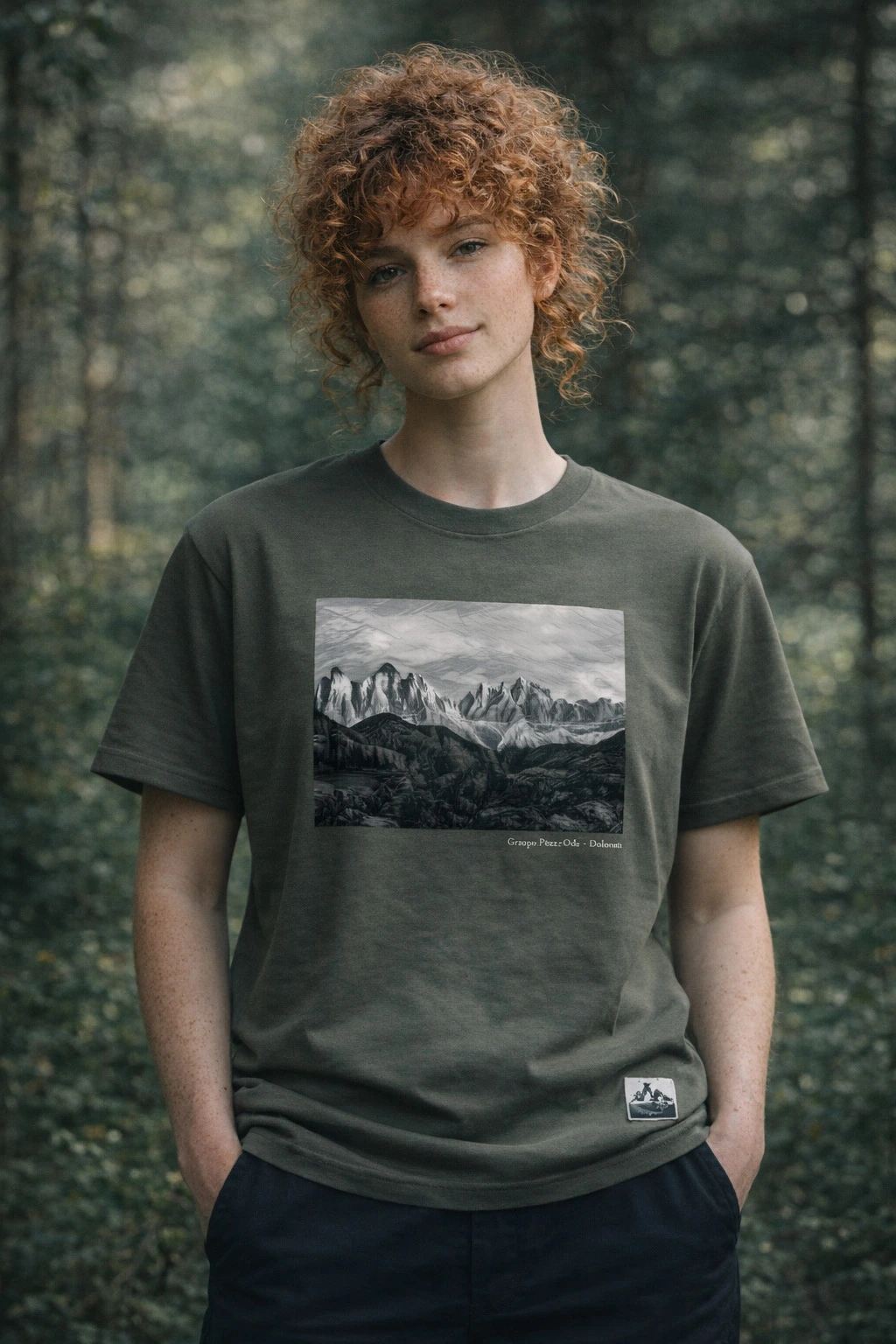
Gardena Dolomites

Garderna Dolomites