
mushrooms Line
Inspired by the quiet strength of the forest.
Earthy tones, refined textures, and timeless design created for those who value authenticity.
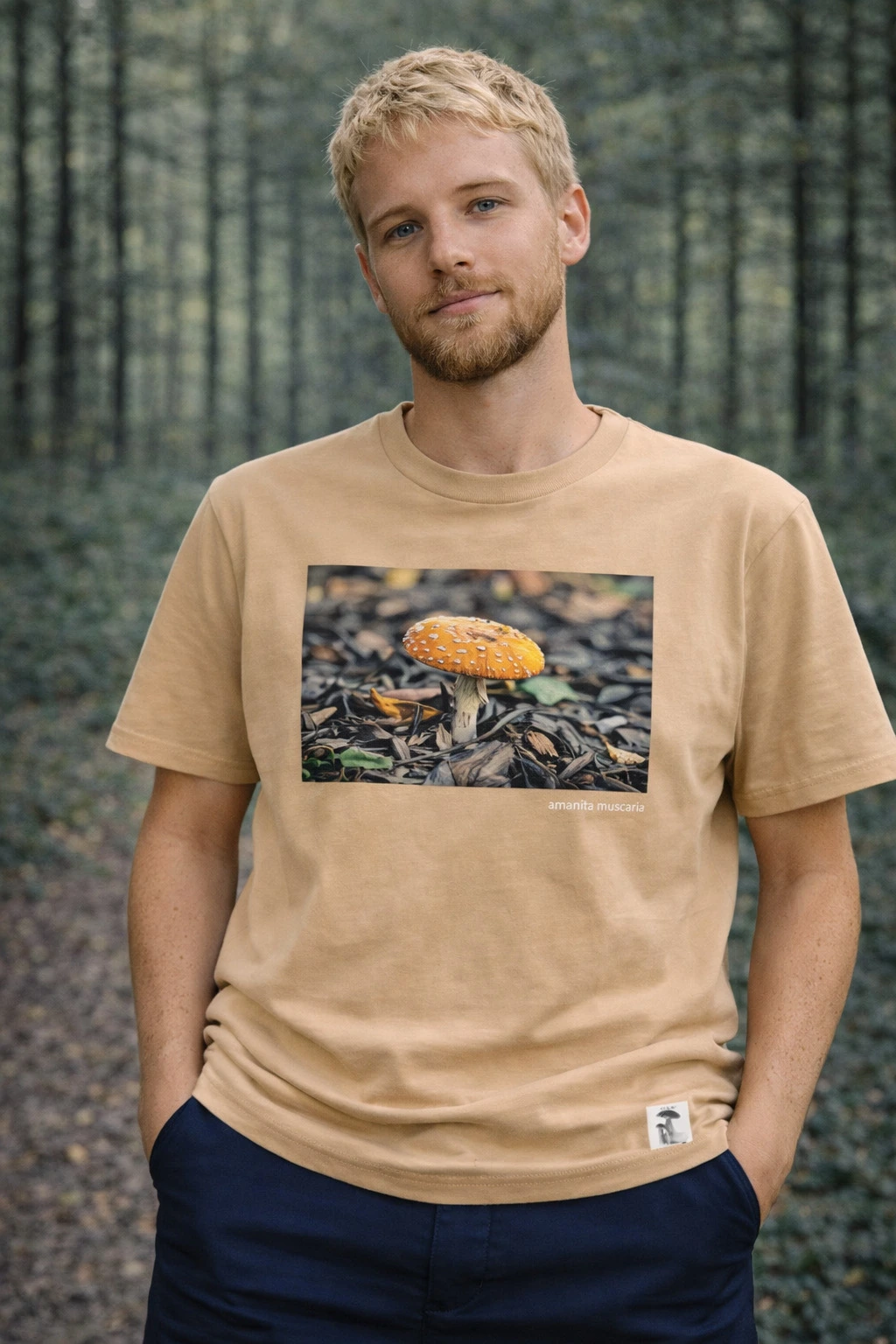
Mushrooms Line
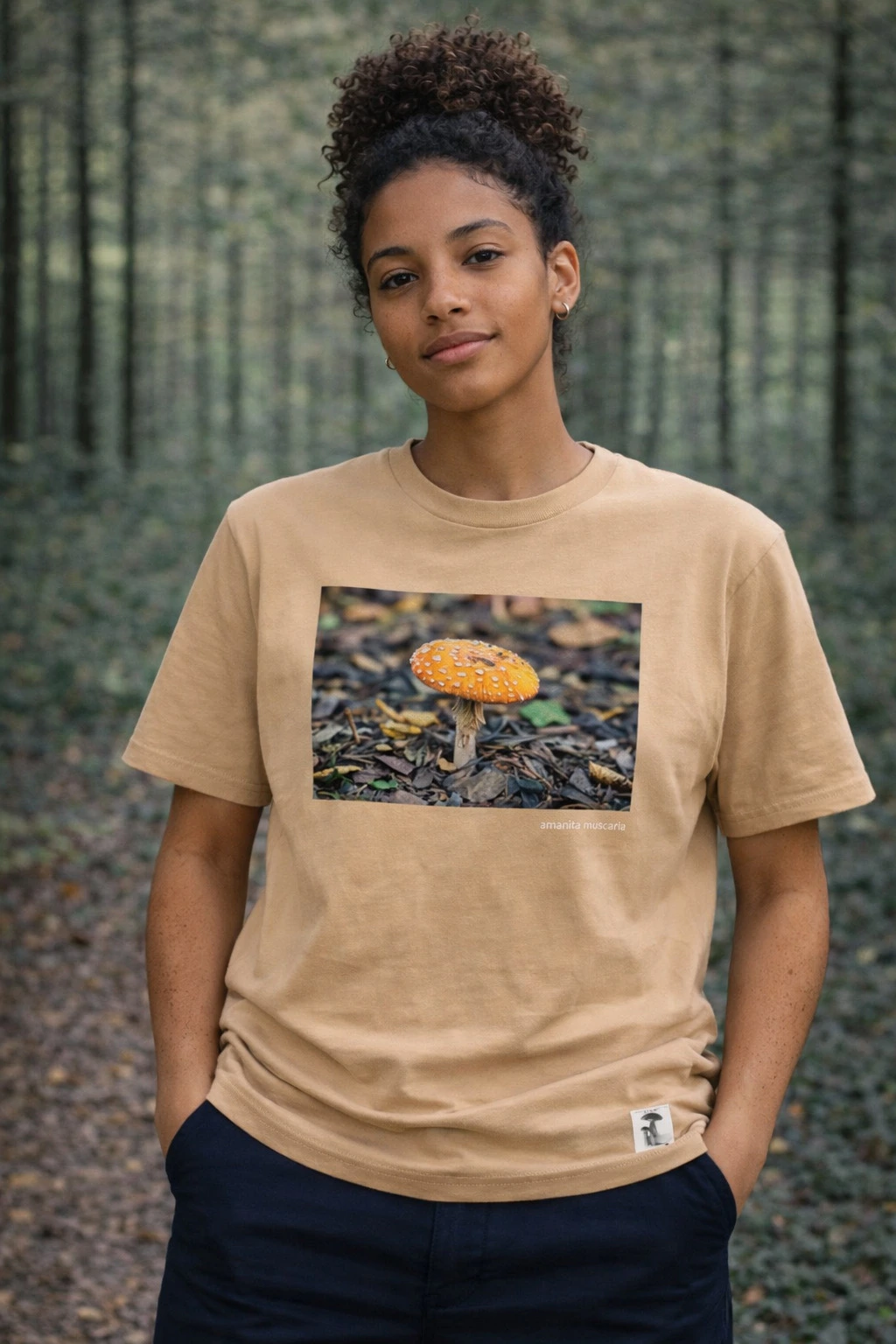
Mushrooms Line
Mushrooms Line
Amanita Muscaria
Habitat and Distribution
This mushroom grows mainly in temperate and boreal forests of the Northern Hemisphere, often in symbiosis with birch, pine, fir, and beech trees. It is widespread across Europe, Asia, and North America, favoring acidic, moist soils. It usually appears from late summer through autumn, though timing may vary depending on climate conditions.
Life Cycle and Seasonality
Amanita muscaria grows alone or in small groups, releasing white or cream-colored spores once the cap fully opens. After maturation, the fungus decomposes, allowing spores to spread and begin a new life cycle.
Toxicity and Risks
Highly toxic, this species contains psychoactive compounds such as ibotenic acid and muscimol, which can cause hallucinations, confusion, nausea, and dizziness. Severe poisoning may lead to convulsions or coma. Symptoms can sometimes appear hours after ingestion, making it particularly dangerous. Even small amounts may trigger unpleasant psychoactive effects.
Traditional and Cultural Uses
Despite its toxicity, Amanita muscaria has played an important role in cultural traditions.
Ritual Use: In some Siberian and northern cultures, shamans used it during ceremonies to alter consciousness and seek spiritual visions.
Mythology and Folklore: Often associated with fairy tales and magical imagery, it is sometimes linked to the visual symbolism of Santa Claus due to its red-and-white coloration.
Traditional Medicine: Occasionally used in small doses for folk remedies, though such practices are considered extremely risky without expert supervision.
Habitat and Distribution
This mushroom grows mainly in temperate and boreal forests of the Northern Hemisphere, often in symbiosis with birch, pine, fir, and beech trees. It is widespread across Europe, Asia, and North America, favoring acidic, moist soils. It usually appears from late summer through autumn, though timing may vary depending on climate conditions.
Habitat and DistributionConclusion
Beautiful yet hazardous, Amanita muscaria remains a powerful symbol of nature and myth. Its iconic appearance should never overshadow the caution required when encountering this highly toxic species. Today, it is studied primarily by mycologists and botanists rather than used for culinary or medicinal purposes.
Mushrooms Line
Fungo Porcino
Introduction
The porcini mushroom (Boletus edulis) is one of the most renowned and appreciated mushrooms worldwide, valued for its rich flavor and versatility in cooking. This edible species grows in symbiosis with certain trees and is widely used in traditional dishes, especially in Italy, where it is a key ingredient of autumn cuisine.
Botanical Description
Porcini are sturdy and easily recognizable mushrooms with a fleshy cap and dense, flavorful flesh.
Cap: Convex and ranging from dark to light brown, sometimes with reddish tones. It can reach 10–25 cm in diameter and becomes flatter as it matures.
Tubes: Instead of gills, porcini have spongy tubes beneath the cap, initially pale yellow and darkening to olive or reddish-brown over time.
Stem: Thick and robust, white to yellowish, with a subtle net-like pattern near the top.
Flesh: Firm, white, and aromatic, it does not change color when cut and offers a delicate, earthy taste highly prized in gastronomy.
Habitat and Distribution
Porcini grow mainly in deciduous and coniferous forests at medium to high altitudes. As a mycorrhizal species, they form beneficial relationships with tree roots. They thrive in well-drained, humid environments and are widespread across Europe—particularly the Alps and Apennines—as well as North America and parts of Asia.
Seasonality
The growing season typically runs from late spring to November, with peak abundance in late summer and early autumn, encouraged by rainfall and cooler temperatures.
Nutritional Benefits
Porcini are both delicious and nutritious. They are low in calories, provide plant-based protein and dietary fiber, and contain important minerals such as potassium, phosphorus, and selenium, along with B vitamins that support energy metabolism. Natural antioxidants further enhance their health value.
Culinary Uses
Highly valued for their meaty texture, porcini are used in many dishes, including risottos, pasta, soups, and meat recipes. They can be sautéed with garlic and olive oil, grilled, roasted, or dried for year-round use. In regions like Tuscany and Piedmont, they feature prominently in traditional specialties and sauces.
Harvesting and Preservation
Foraging requires experience, as edible mushrooms can resemble toxic varieties. Only well-identified, mature specimens should be collected. Fresh porcini keep for a few days in the refrigerator, while drying extends their shelf life and intensifies flavor.
Conclusion
The porcini mushroom is a treasured symbol of mountain cuisine and autumn foraging. Beyond its exceptional taste and nutritional value, it plays an important ecological role by forming vital symbiotic relationships with trees, making it both a culinary delight and a natural asset.v
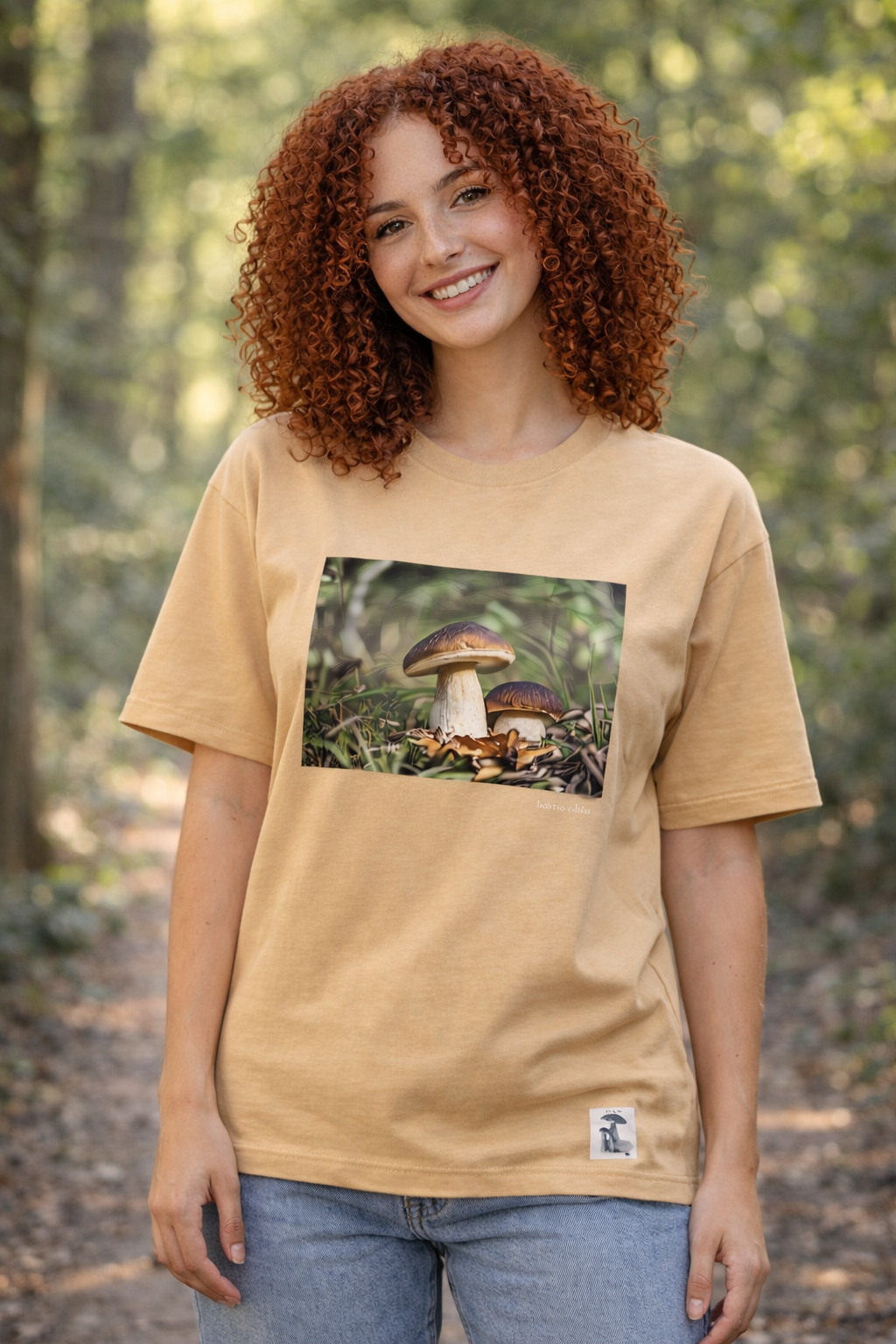
Boletus Edulis
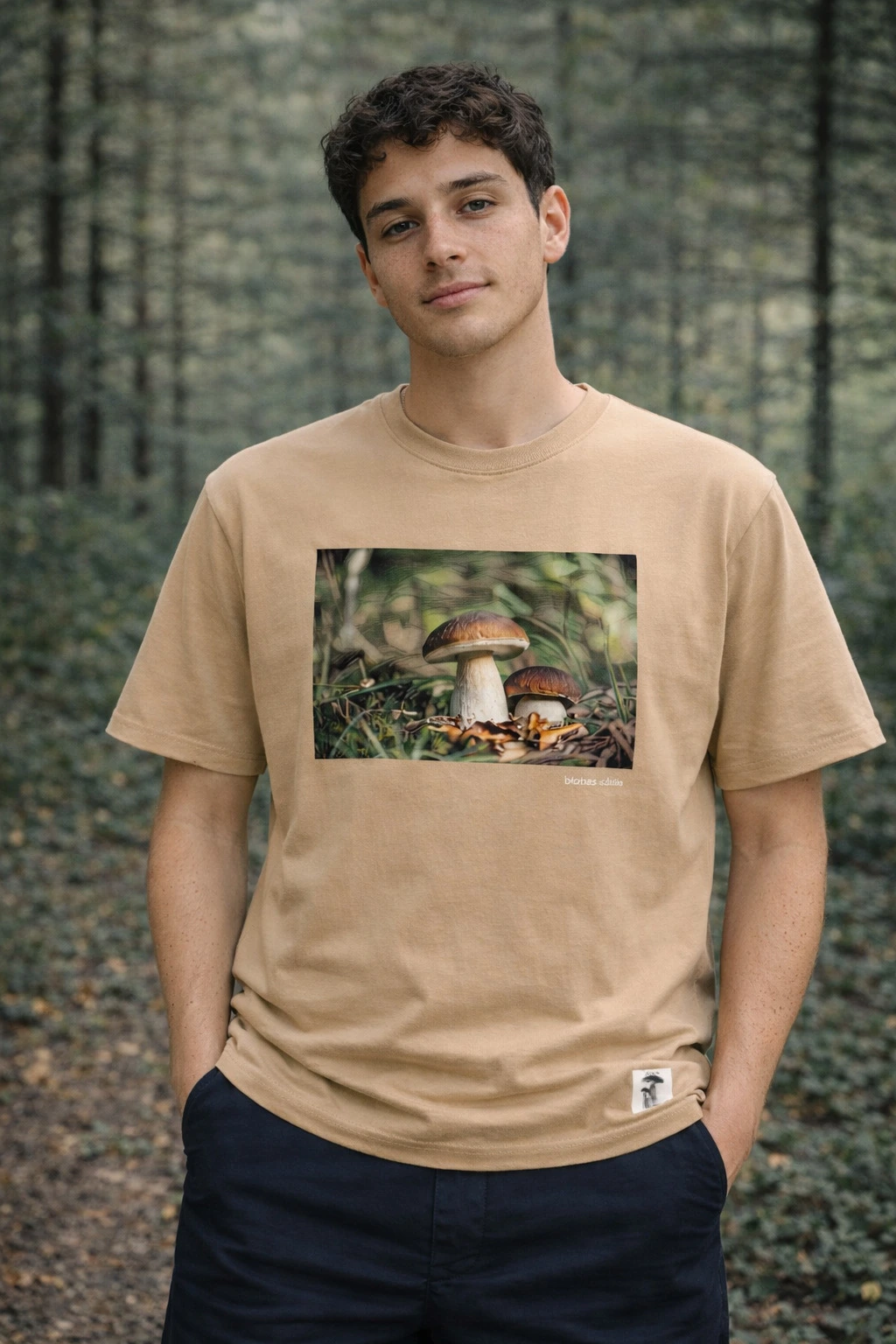
Boletus Edulis